September 26th, 2018
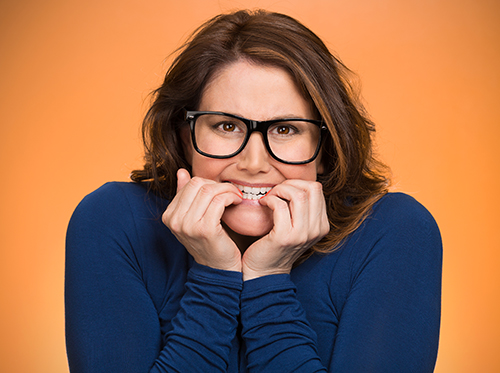
Do you ever find yourself gnawing at your nails? Nail-biting is a very common and difficult to break habit which usually has its beginnings in childhood. It can leave your fingers and nail beds red and swollen. But if you think that your nails are the only ones getting roughed up by nail-biting you'd be mistaken—so are your teeth!
According to a study by the Academy of General Dentistry, those who bite their nails, clench their teeth, or chew on pencils are at much higher risk to develop bruxism (unintentional grinding of the teeth). Bruxism can lead to tooth sensitivity, tooth loss, receding gums, headaches, and general facial pain.
Those are some nasty sounding side effects from chewing on your nails. Most nail-biting is a sign of stress or anxiety and its something you should deal with. So what steps can you take if you have a nail-biting habit?
There are several things you can do to ease up on nail-biting:
- Trim your nails shorter and/or get regular manicures – Trimming your nails shorter is an effective remedy. In so doing, they'll be less tempting and more difficult to bite on. If you also get regular manicures, you’ll be less likely to ruin the investment you’ve made in your hands and fingernails!
- Find a different kind of stress reduction – Try meditation, deep breathing, practicing qigong or yoga, or doing something that will keep your hands occupied like squeezing a stress ball or playing with a yo-yo.
- Wear a bitter-tasting nail polish – When your nails taste awful, you won't bite them! Clear or colored, it doesn't matter. This is also a helpful technique for helping children get over the habit.
- Figure out what triggers your nail-biting – Sometimes it's triggered by stress or anxiety and other times it can be a physical stressor, like having hang nails. Knowing what situations cause you to bite your nails will help you to avoid them and break the habit.
- Wear gloves or bandages on your fingers – If you've tried the steps above and they aren't working, this technique can prove effective since your fingernails won't be accessible to bite.
If you're still having trouble with nail-biting after trying these self-help steps, it's best to consult your doctor, dermatologist, or Dr. Nathan R. Yetter. For some, it may also be the sign of a deeper psychological or emotional problem.
Whatever the cause, nail-biting is a habit you need to break for your physical and emotional well-being. If you have any questions about the effects it can have on your oral health, please don't hesitate to ask Dr. Nathan R. Yetter during your next visit to our Mesa office.
September 19th, 2018
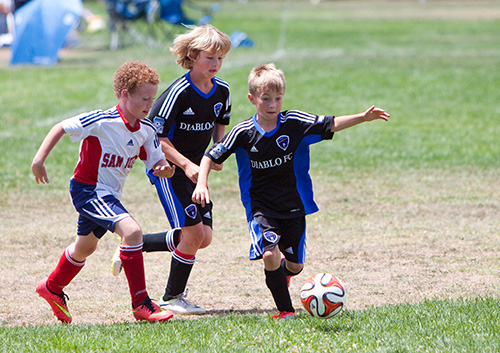
Sports are great for children for a variety of reasons. Children can develop their motor skills, learn how to solve conflicts and work together, and develop their work ethics. As a parent, you may recognize the benefits of sports, but also naturally worry about your child’s health and safety. Your job goes beyond providing a water bottle and making sure your child follows the rules of the game.
Although you may not think of your child’s teeth first when you think about sports, accidents can happen that affect your children’s teeth. A stray hockey stick, an errant basketball, or a misguided dive after a volleyball are examples of ways a child could lose a tooth. In fact, studies show that young athletes lose more than three million teeth each year.
Becoming a Better Athlete to Protect Teeth
Becoming a better athlete involves refining skills, learning the rules of the game, and being a good sport. These components are not just about winning. They are also about safety. Young athletes who are better ball-handlers and who are careful to avoid fouls and penalties are less likely to have harmful contact with the ball, teammates, or opponents. Children who are better roller-bladers are less likely to take a face plant into the blacktop, and more likely to save their teeth. Being a good sport and avoiding unnecessary contact is one way to protect teeth.
Proper Protective Equipment for Teeth
If your child is in a sport that poses a high threat to teeth, it is essential for your child to wear a mouthguard. Mouthguards fit your child’s mouth and consist of soft plastic. Dr. Nathan R. Yetter can custom fit a mouthguard if generic ones are uncomfortable. While children may resist wearing a mouthguard initially, your persistence in insisting that they wear it should be enough to convince them. A helmet or face mask provides additional protection.
While prevention is best, rapid treatment can improve the situation if your child does happen to lose a tooth during sports. Rapid implantation can work in about ten percent of cases. To learn about ways to save a lost tooth, contact our Mesa office.
September 12th, 2018

Those challenging teenage years are some of the most self-conscious ones of your life, and concern for your appearance definitely plays a large part. Invisalign is becoming a very popular choice for adolescent patients today, but is it the best choice?
The results from teenage Invisalign users indicate that Invisalign is both effective for teeth straightening and for satisfying that urge to avoid the dreaded “metal mouth.” Dr. Nathan R. Yetter can help you determine if Invisalign is right for you, but this article will explain why so many people are calling Invisalign the best choice for teens today.
Metal-Free Braces
Invisalign is a clear plastic device that fits directly over the teeth. There are no metal parts to mar the look of your smile, and your Invisalign aligners can straighten while allowing your pearly whites to shine through. Any teen will be the first to tell you that appearance is a top concern, so this is an excellent choice. People don’t even need to know you’re straightening your teeth with Invisalign.
Eat, Brush, and Floss Easily
Another particularly attractive aspect of Invisalign for most teenagers is the freedom it allows. While traditional metal braces can make eating, brushing, and flossing difficult, this is not the case with Invisalign. The aligners are easily removable for these activities, which gives teens the freedom they desire to live life as usual.
More Free Time
Invisalign Teen aligners need to be checked and adjusted at East Valley Orthodontics less frequently than traditional braces. This allows for fewer appointments, something that is really important to teens. Having your teeth straightened is no reason to forgo activities or make room in your schedule for constant office visits when you choose Invisalign.
Learn more about Invisalign Teen at our Mesa office!
September 5th, 2018

Going back to school is already an exciting (and sometimes nerve-racking) time so we don't want your braces adding to that. Our Mesa team has compiled some helpful tips to make the process as easy and fun as possible.
1. Make sure you pack or purchase braces-friendly lunches
Try to avoid overly crunchy foods (think carrots, celery, hard crackers) especially if your teeth are sore from having your braces tightened. But you shouldn't stop eating healthful foods that fall in this category. For instance apples can be sliced into wedges or carrots can be cut into coins.
You should also avoid sticky foods like candy or gum that can and will stick in your braces like glue! Softer foods are easier on your teeth and braces, so aim to make a good portion of your lunch on the softer side.
2. Have a braces kit in your backpack or locker
Having some useful items on hand at school when you need them is one of the most helpful things you can do. Pack some wax for sores or tenderness, floss and/or flossing tools made for braces, a toothbrush and toothpaste, a small cup for rinsing, a small mirror to check for trapped food, and some lip balm if your lips tend to chap. With these tools on hand, you'll avoid most if not all braces-related nuisances!
3. Know that you're not alone
If you're feeling self-conscious about your braces, don't. Be proud of them! There are many other people your age who have braces, and if they don't have them now, they probably will in the future. Relax and know that you're on the path to a straighter and healthier smile.
If you have any questions about making your transition into "braceshood," just ask Dr. Nathan R. Yetter or any member of our Mesa team! We're here to help make your braces experience (and your smile) the best it can be.





 Website Powered by Sesame 24-7™